What to remember before choosing where to stay in the Zambezi Region
In the Zambezi Region, accommodation is not just a room. It determines river access, meals, park activities, mosquito management, transfer timing and cross-border convenience. A lodge on the wrong side of your route can turn a beautiful stay into a logistical knot. A simpler lodge with the right activities and meal support can outperform a more photogenic stay that leaves you arranging everything separately.
Choose where to stay by the purpose of the stop. Are you there for river activities, park drives, birding, rest, family comfort, fishing where permitted, or a border connection? Once that purpose is clear, food and movement become easier to compare. If the purpose is unclear, the region can feel like a long detour.
Use Ayivoo’s Zambezi Region search and Ayivoo hotels and lodges to shortlist stays that explain activities, meals, transfers, health precautions and route position clearly.
Where to stay: base types that matter
River lodges
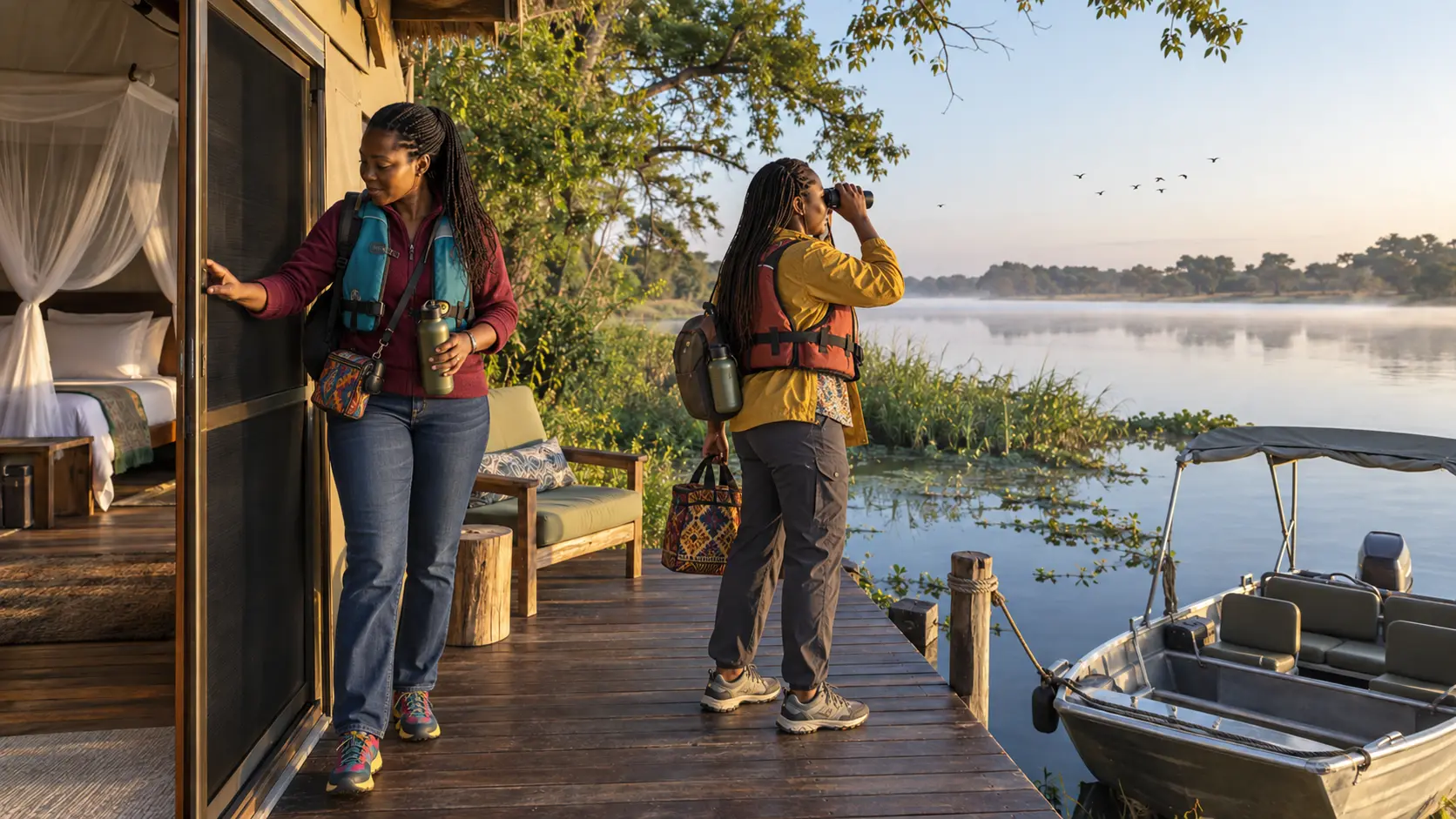
River lodges are the classic Zambezi choice. They suit travellers who want boat activities, sunset views, birding, meals on site and local advice. Ask about mosquito precautions, room screening, activity inclusions, boat safety, meal times and whether transfers or park drives are arranged directly.
Park-access bases
If your goal is Bwabwata, Mudumu, Nkasa Rupara or other protected-area activity, choose a base that reduces wasted driving. Ask which park gates or routes the lodge uses, how fees are handled, whether the vehicle is suitable and what changes by season.
Transit and border-oriented stays
Some stays are useful because they simplify movement toward Botswana, Zambia or Zimbabwe. These are not always the most scenic, but they can protect border timing. Confirm breakfast, packed meals, fuel, transfer support and document advice before booking.
Town or self-catering stops
Town-based or self-catering options can work for budget travellers, self-drivers or longer stays. They require more planning around meals, security, supplies, mosquito precautions and activity pickup. Make sure the savings do not create extra route stress.
Where to eat: meals are part of the route
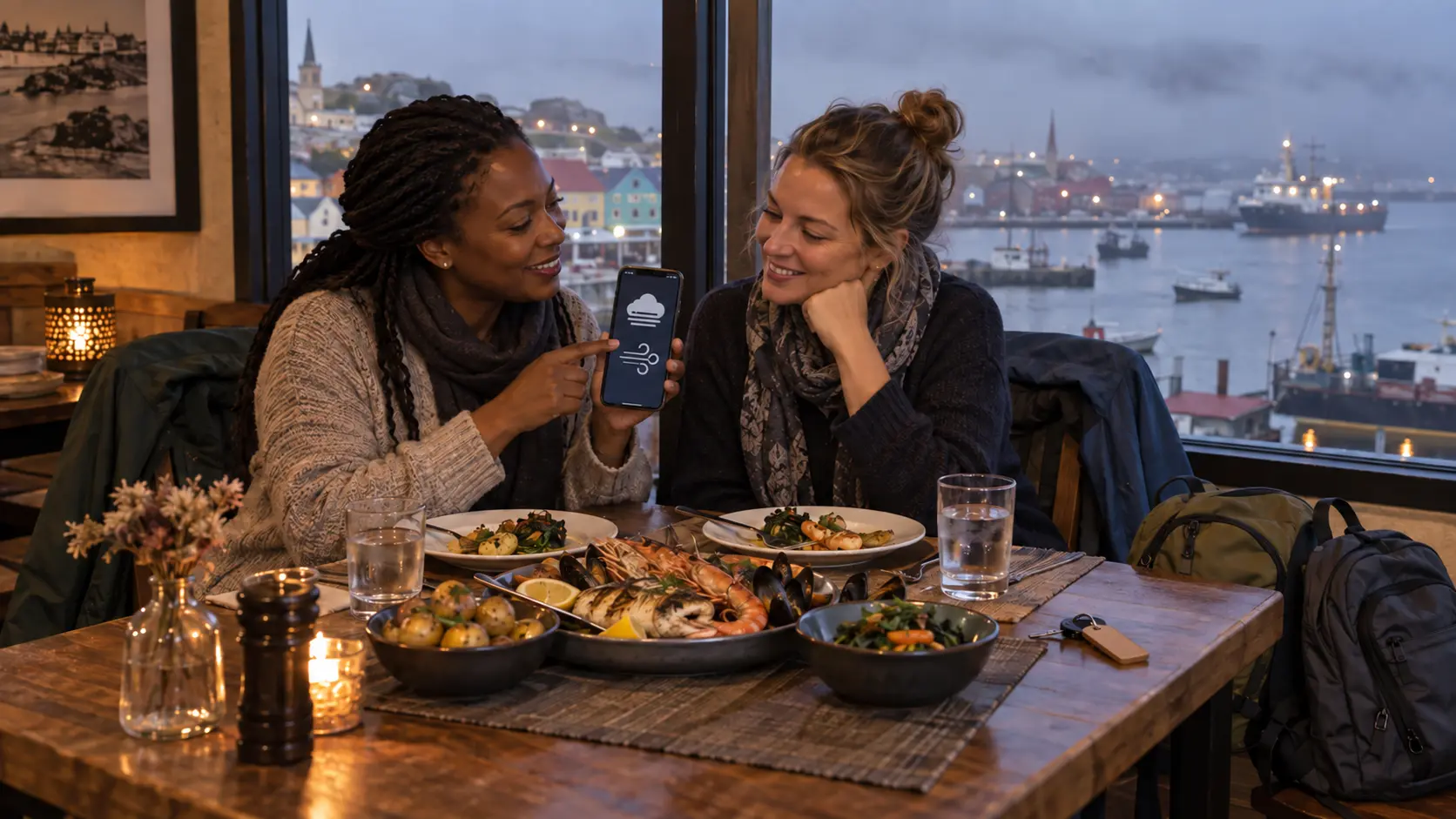
In the Zambezi Region, lodge meals are often the simplest option, especially for river or park days. Confirm whether dinner, breakfast and packed meals are included. Ask how early breakfast can be served for park drives or transfers, and whether dietary needs can be handled with advance notice.
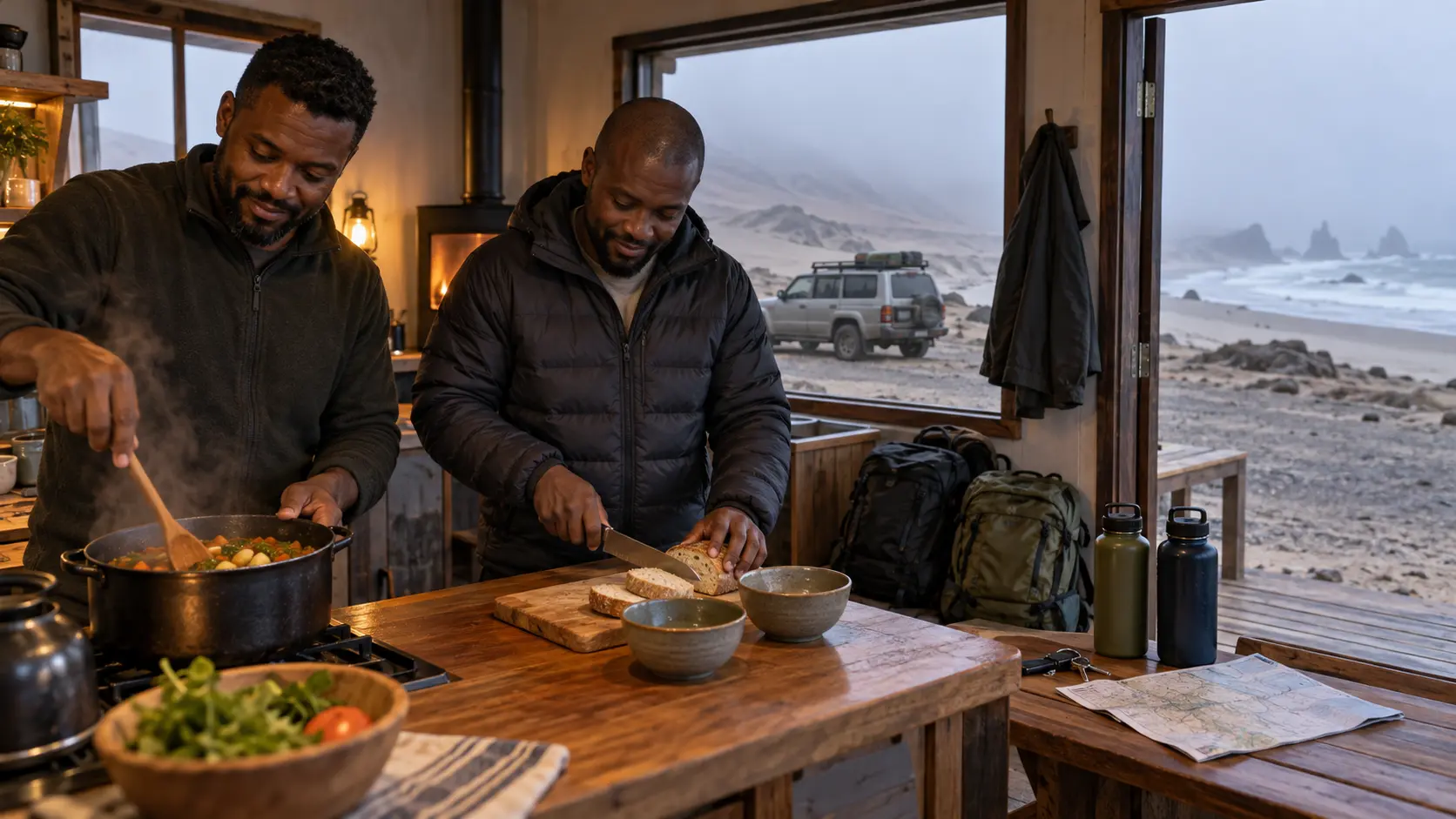
If self-catering or staying in town, plan supplies before remote sections. Carry water, snacks and a backup meal for long transfer days. Cross-border movement can disrupt meal timing, so avoid building a day where lunch depends on a perfect border crossing.
- River lodge: confirm dinner, breakfast, packed meals and boat-activity timing.
- Park day: ask when breakfast is served and what food is carried.
- Border day: keep food and water available in case paperwork takes longer.
- Self-catering: buy supplies before remote stretches and confirm kitchen equipment.
- Dietary needs: discuss them before paying, not at check-in.
Moving around: lodges, parks, rivers and borders
Movement in the Zambezi Region is not only about road distance. Boat transfers, park drives, river conditions, seasonal roads and border timing can all shape the day. Ask accommodation whether activities depart from the property, require a vehicle transfer or use a partner operator. If cross-border travel is involved, clarify who is responsible for each segment.
| Stay type | Best for | Check before booking |
|---|---|---|
| River lodge | Boat trips, birding, relaxed meals, sunset stays | Meals, mosquito precautions, activity inclusions, transfers |
| Park-access lodge | Game drives and protected-area focus | Gate access, fees, vehicle, season, guide experience |
| Transit stay | Border or long-route timing | Breakfast, fuel, parking, document support |
| Self-catering/town base | Budget, flexibility, longer stays | Supplies, security, pickup, kitchen and mosquito management |
How many nights to book
One night is usually transit, not a Zambezi experience. Two nights give a basic taste of river or park activity. Three or more nights are better for travellers who want the region to feel like a destination. If crossing borders, add margin rather than expecting every handover to run perfectly.
Families and birders often benefit from slower pacing. The region has enough texture to reward stillness: river mornings, afternoon rest, sunset boat trips and park drives do not need to be compressed into one frantic schedule.
Provider questions and red flags
- Which river, park or border route is the stay best positioned for?
- Are meals, packed meals, activities and transfers included?
- What mosquito precautions are in place at the accommodation?
- Can dietary needs be handled with advance notice?
- Who operates boat trips, park drives or transfers?
- What changes in rainy season or high-water periods?
- Can the stay support our previous and next travel days realistically?
Red flags include no meal clarity, no mosquito discussion, no seasonality advice, unclear activity ownership and border advice that sounds casual. A strong host will make the region feel easier without pretending it is simple.
Meal and activity matrix
Use meals as a test of whether the accommodation understands your itinerary. A lodge that can align breakfast, packed lunch, dinner and activity timing is often better for travellers than a property that only looks attractive online. In a river region, the rhythm of meals and activities can determine whether the stay feels relaxed or constantly late.
| Day shape | Meal need | Question to ask |
|---|---|---|
| Early park drive | Early breakfast or packed breakfast | Can breakfast be ready before departure? |
| Boat morning | Light food, water and post-activity lunch | Is lunch included or should we order ahead? |
| Border transfer | Portable snacks and flexible dinner | What if arrival is delayed by paperwork? |
| Rest day at lodge | On-site meals and optional activities | Can we decide activities after arrival? |
Choosing by traveller type
Families should prioritise meal reliability, mosquito precautions, room layout and activity flexibility. Birders should prioritise guide expertise, early starts and quiet locations. Cross-border travellers should prioritise transfer support, breakfast timing and document advice. Budget travellers should be honest about the extra work created by self-catering or town-based stays. None of these choices is universally better; the best stay is the one that reduces the most friction for your actual route.
If two properties look similar, choose the one that answers operational questions better. A clear answer about packed meals, boat timing, mosquito screens and onward transfers is worth more than a vague promise of “authentic wilderness”.
Route combinations that work well
Etosha to Kavango to Zambezi
This is a strong Namibia-only extension if you have enough time. Use lodges to break the journey and avoid turning the region into a single rushed stop.
Zambezi to Botswana or Victoria Falls routes
Use accommodation that understands transfer and border timing. Ask for document checklists but verify requirements officially.
River rest stay
Choose a river lodge for meals, boat activities and recovery after long drives. This works well for families and travellers who want a softer pace.
How to use Ayivoo to connect lodging, meals and movement
Shortlist accommodation by route purpose, then compare activities and transfers around that base. Message providers with the full route so they can flag weak points. In the Zambezi Region, the best stay is the one that coordinates sleep, meals, river access and onward movement.
Use the Ayivoo English blog hub to connect this guide with Zambezi first-trip, local booking and safety articles. This keeps the stay decision tied to the wider itinerary.
FAQ
What is the best base in the Zambezi Region?
It depends on your purpose. River lodges suit activities and rest, park-access bases suit wildlife drives, and transit stays suit borders or long routes.
Are meals usually included?
Often, but not always. Confirm dinner, breakfast, packed meals and dietary needs before booking.
Is self-catering practical?
It can be for prepared self-drivers, but supplies, mosquito precautions, activity pickup and security need more attention.
How many nights are enough?
Two nights are a minimum taste; three or more are better if the region is a real destination in your trip.
Sources to verify before publication
- Namibia Tourism Board information for Zambezi Region destinations and north-east travel guidance.
- Ministry of Environment, Forestry and Tourism information for Bwabwata, Mudumu, Nkasa Rupara and protected areas.
- Current travel health guidance for malaria and mosquito precautions from official target-country sources.
- Current border and vehicle paperwork requirements for Botswana, Zambia or Zimbabwe connections.
- Live Ayivoo listings for Zambezi Region lodges, restaurants, activities, guides and transfers.