What to remember before handling safety and logistics in Windhoek
- Windhoek is the right place to reduce risk before the route opens up. Use the capital for airport transfer clarity, secure accommodation, supplies, medical basics, vehicle checks, cash planning and provider contacts.
- Safety is mostly operational. The useful question is not whether Windhoek is "safe" in the abstract, but whether your arrival, transport, luggage, money, documents and evening movement are planned well enough.
- Keep the first and last travel days conservative. Long flights, late arrivals, airport distance and self-drive handovers create more risk when travellers try to do too much.
- Use official guidance as a floor, not as the whole plan. Government advisories can change; check your own country's advice, health guidance and entry rules close to departure.
- Book providers who explain the awkward details. Good transport and support providers clarify waiting time, night movement, luggage, route timing, emergency contacts and what happens when plans change.
Why Windhoek safety and logistics matter
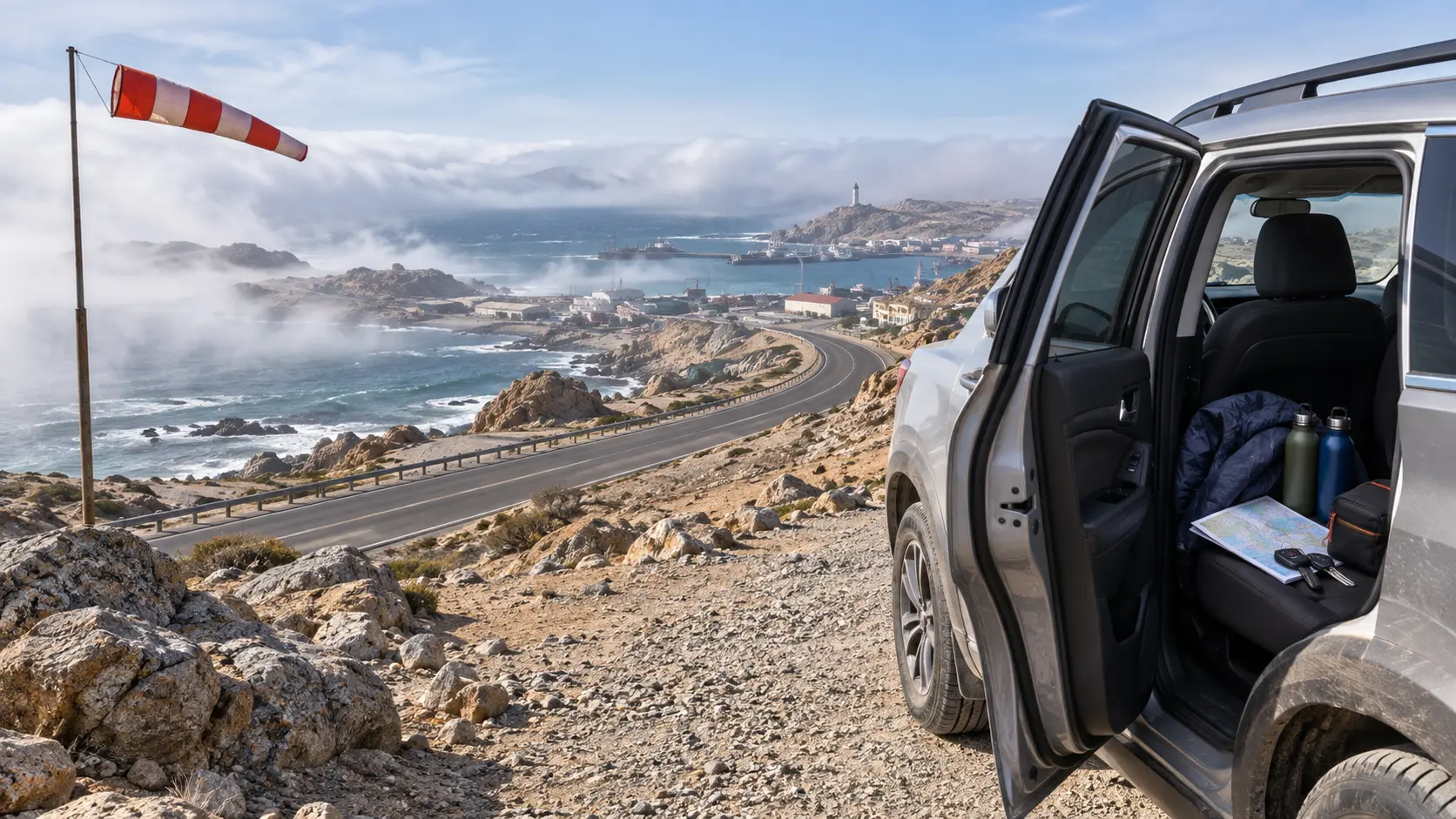
Windhoek is where many Namibia itineraries become real. It is where flights, airport transfers, accommodation, vehicle handover, cash, medical basics, phone setup and route timing meet in one place. That makes the capital the best point to remove avoidable friction before travellers continue toward Etosha, Sossusvlei, Swakopmund, Damaraland, the Skeleton Coast or the Zambezi Region.
Safety and logistics should be planned together. A transport decision can affect safety. A restaurant decision can affect transport. A late vehicle handover can affect daylight driving. A missing medication stop can matter more once the route leaves the city. Treating each item separately is how small issues accumulate.
This guide is not a substitute for official advice. It is a practical planning layer: what to confirm, what to avoid, how to use Windhoek well, and how to choose providers who make the route more resilient.
Official context to check before travelling
As of the drafting check for this article, the U.S. State Department listed Namibia at Level 2, advising travellers to exercise increased caution because of crime and health considerations. The same guidance highlights crimes of opportunity, vehicle break-ins, ATM risks, limitations in medical care outside major cities, and the need to plan routes carefully because Namibia is sparsely populated.
That does not mean every traveller will have a problem. It means the responsible plan should reduce predictable exposure: secure luggage, use reliable transport, avoid casual night movement, keep copies of documents, plan medical and communication basics, and verify emergency contacts.
Travellers should always check the guidance issued by their own government, plus airline, visa, insurance and health information, shortly before departure. The final wording can change after this draft is written.
Arrival risk: the first practical test
Hosea Kutako International Airport is outside Windhoek, and Namibia Airports Company describes it as roughly forty-five kilometres east of the city. That distance is not a problem when the plan is clear. It becomes stressful when travellers land tired without confirmed transport, working communication or a realistic evening schedule.
Before arrival, confirm:
- pickup name, meeting point and phone number;
- what happens if the flight or baggage is delayed;
- vehicle size for luggage and passengers;
- price, currency and payment method;
- accommodation address and late check-in rule;
- offline copies of passport, visa or entry approval, insurance and first-night booking.
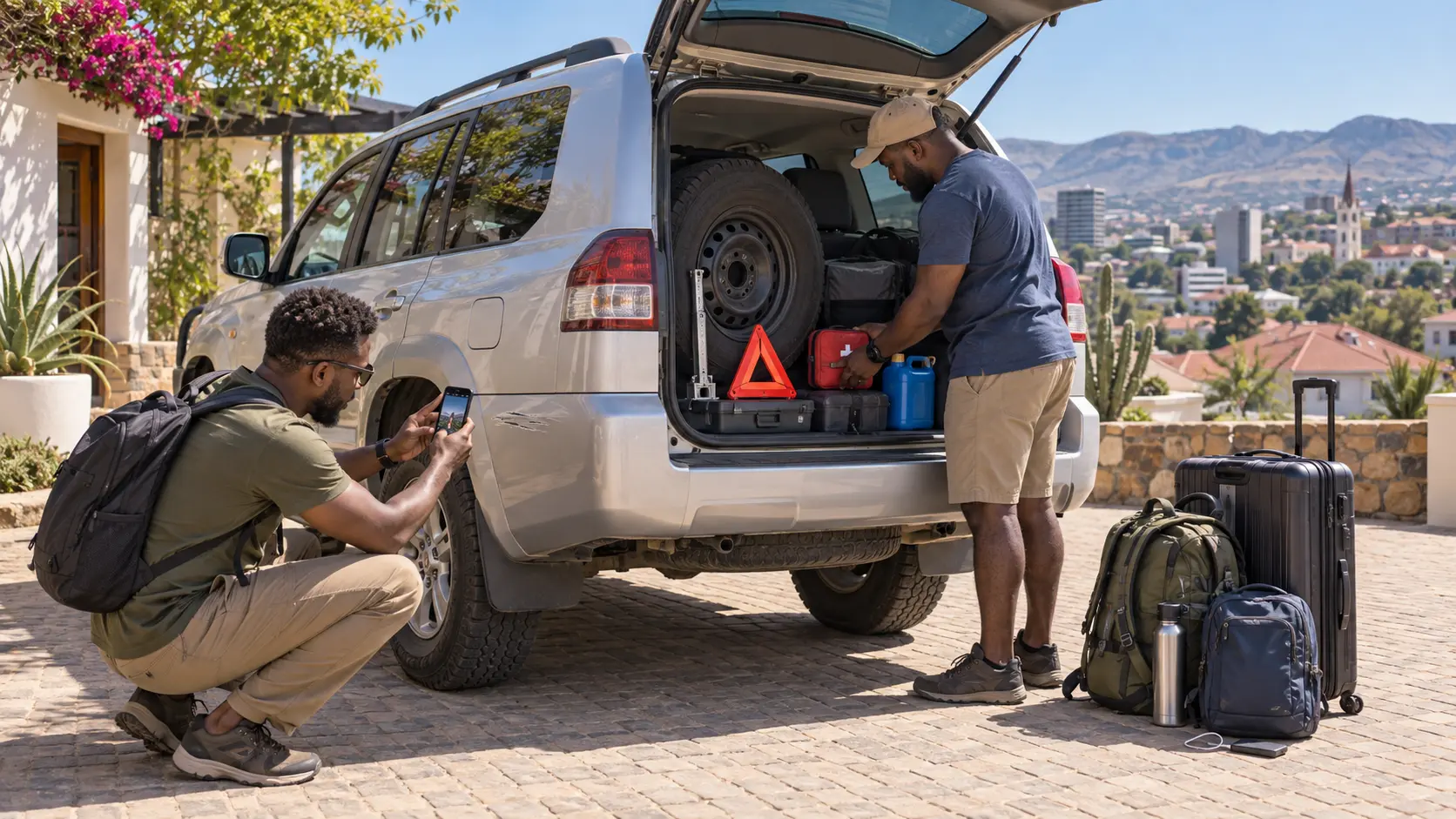
If collecting a rental vehicle immediately, do not rush the handover. Check tyres, spare, tools, lights, fuel, emergency numbers, scratches, windscreen, paperwork and the route out of the city. If the arrival is late, tired or complicated, a transfer and first-night stay can be safer than starting the self-drive plan immediately.
Transport decisions that reduce risk
Transport is the core safety decision in Windhoek. Use transportation services on Ayivoo to compare providers for airport pickups, point-to-point transfers, city movement and route support. The cheapest option is not always the most resilient one.
| Transport moment | Main risk | Better booking habit |
|---|---|---|
| Airport arrival | Delay, confusion, luggage stress, weak mobile data | Pre-confirm pickup point, driver contact, waiting time and total price |
| Evening dinner | Unplanned night movement after fatigue | Choose a nearby restaurant or arrange transport both ways |
| Vehicle handover | Rushed inspection and unclear emergency process | Schedule daylight time for checks, photos and questions |
| Final airport return | Traffic, road delays, wrong timing, late packing | Keep a final-night buffer and confirm pickup time with the provider |
When in doubt, use hotel-arranged transport or a reputable private transport provider. Save the provider's number offline and share the plan with someone else in the group.
Documents, money and phone setup
Windhoek is the best place to solve the basics before remote sections of the trip. Travellers should keep original documents secure, carry copies separately and store digital copies offline. Entry and visa rules can change, so do not rely on an old forum post or a previous traveller's experience as the final authority.
For money, plan for a mix of card and cash needs. Use ATMs carefully, avoid displaying cash, and keep cards in sight when possible. If a provider requires cash, confirm the currency, amount and receipt before the service. If a deposit is needed, make sure the booking conditions are clear.
For communication, set up mobile data, roaming or local connectivity before leaving the city. Remote routes may have limited coverage, so the phone plan should not be the only safety plan. Keep key phone numbers, booking references and maps accessible offline.
Health and medical planning
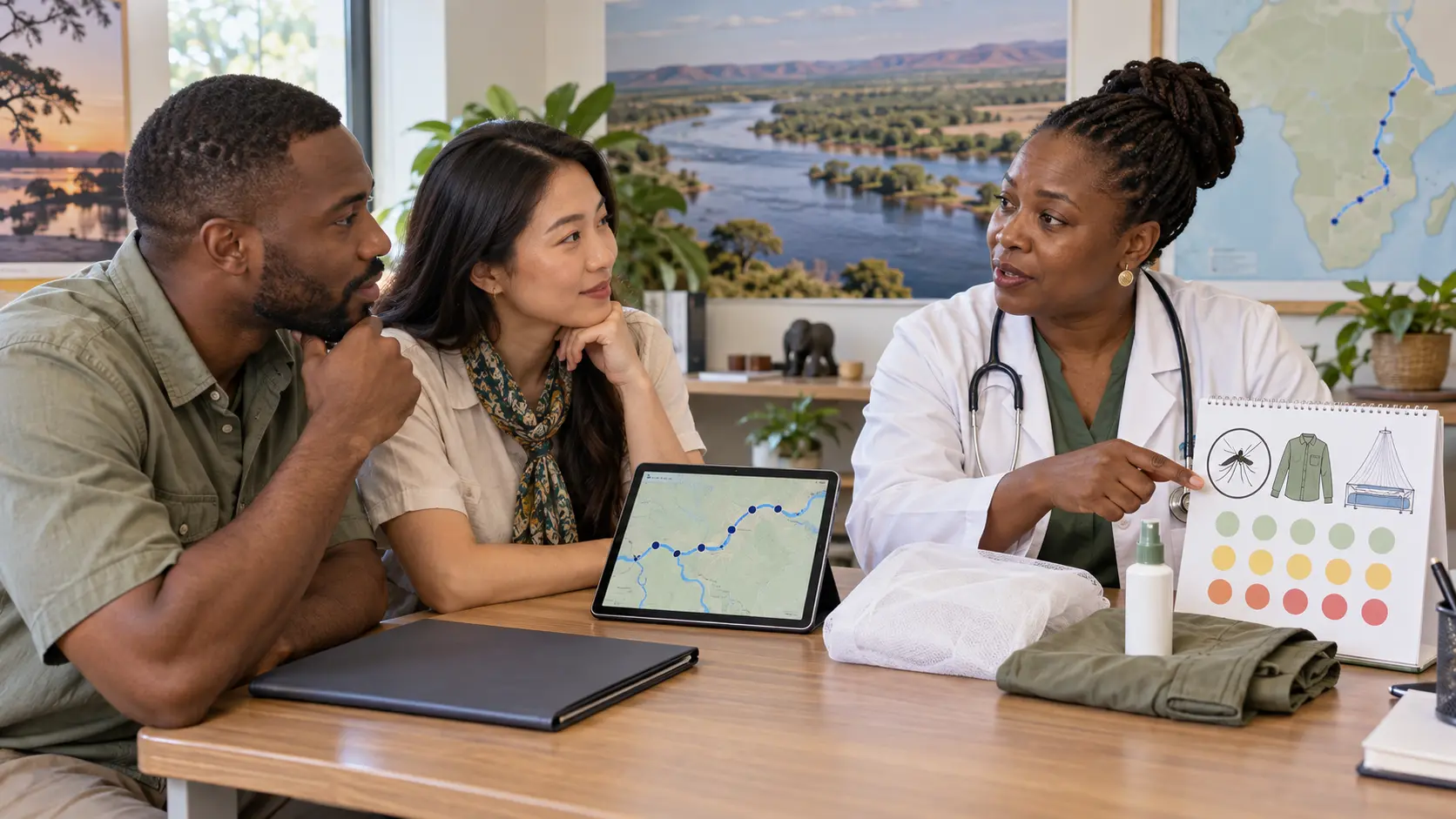
Government health guidance should be checked close to travel, especially for vaccinations, malaria considerations by region, medicines, insurance and emergency care. The CDC traveller page for Namibia is a useful starting point for current health recommendations, while each traveller should also consult a medical professional when needed.
Practical Windhoek tasks include:
- buying or confirming personal medication and basic first-aid items;
- checking travel insurance and emergency evacuation coverage;
- saving emergency contacts offline;
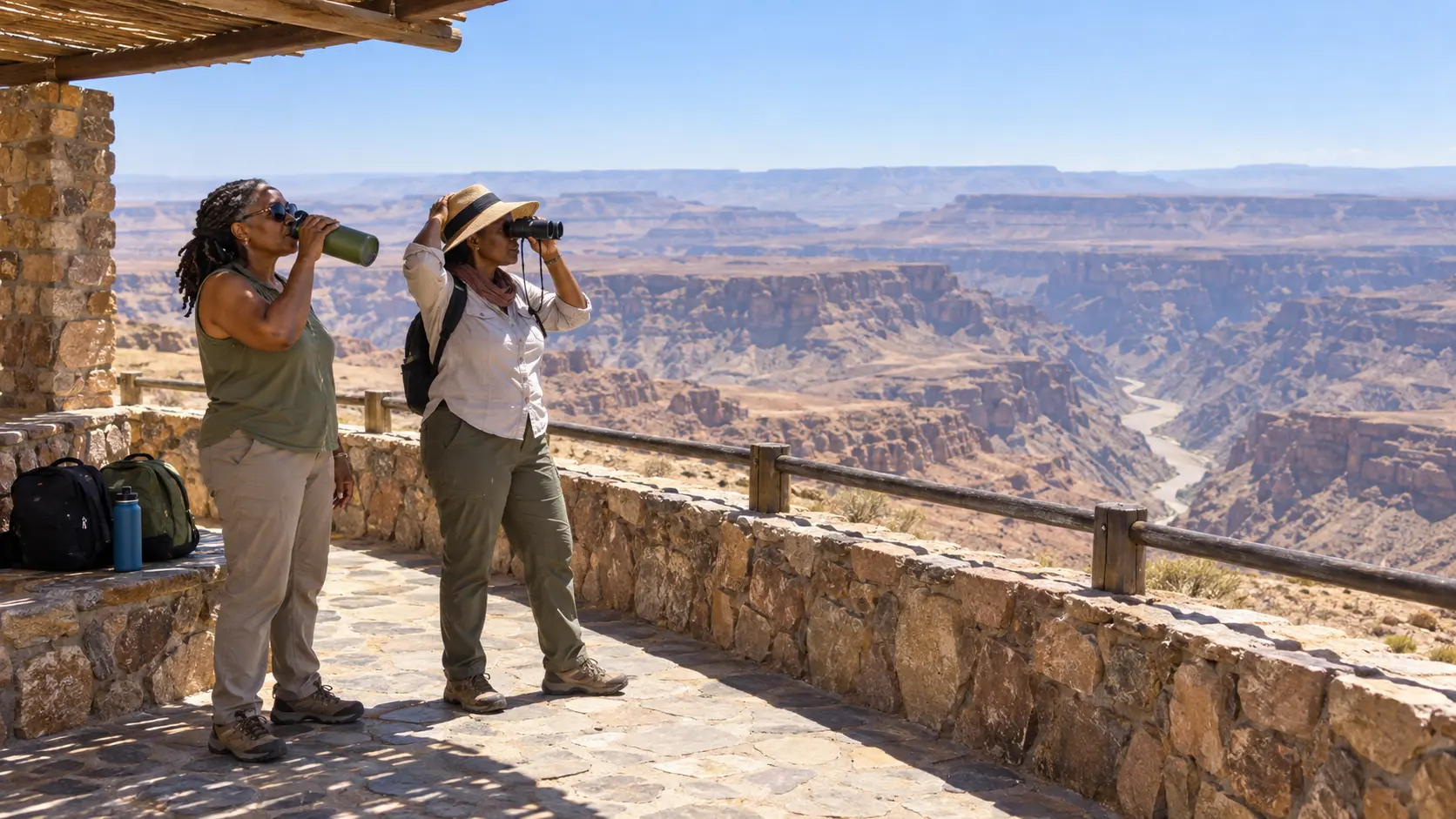
- packing water and sun protection before long drives;
- discussing medical needs with providers if travelling with children, older travellers or specific health conditions.
Do not postpone essential medical errands until after leaving the capital unless you know exactly where the next reliable option is.
Accommodation security and first-night habits
Use Ayivoo hotels and lodges to compare first-night stays with practical safety in mind. Look for secure parking, clear late check-in, staff support for transport, location fit, meal options and whether the property can help with early departures.
On arrival, keep the routine simple:
- Confirm the room, parking and departure needs before unpacking fully.
- Store passports and extra cash securely.
- Do not leave visible luggage or electronics in vehicles.
- Plan dinner and return transport before leaving the property.
- Review the next day's route while everyone is still awake enough to notice mistakes.
Provider checklist for safety and logistics
A strong provider makes risks visible and manageable. When comparing Windhoek providers on Ayivoo, ask questions that reveal operational maturity.
- What exactly is included in the service?
- What is the backup plan for delay, weather, road problems or late arrival?
- Who is the day-of-service contact?
- Can the provider support luggage, children, older travellers or accessibility needs?
- How should travellers pay, cancel or change the booking?
- What do they recommend avoiding on the first evening?
- Can they explain the route or service in clear, practical language?
Be cautious with vague answers, pressure to pay before details are clear, changing prices, no written confirmation, or advice that ignores daylight, distance and fatigue.
First night and last night: the two buffers
The first night in Windhoek protects the beginning of the trip. The last night protects the flight home. Both are worth planning with more caution than the middle of the route.
For the first night, prioritise transfer, check-in, food and rest. For the last night, prioritise predictable airport access, repacking, fuel or vehicle return, final payment checks and enough time for unexpected delays. A final long drive directly into an international flight may look efficient on paper, but it can make the whole trip unnecessarily fragile.
FAQ about Windhoek safety and logistics
Should I drive in Windhoek at night after arriving?
If you are tired, unfamiliar with the city or still handling luggage and paperwork, a pre-arranged transfer is usually more resilient. If you drive, keep doors locked, valuables out of sight and the route simple.
Which emergency numbers should I save?
Save local police, ambulance or emergency contacts from current official guidance, plus your accommodation, transfer provider, insurer, rental company and embassy or consular contact where relevant. Verify numbers before publishing or travelling.
How much cash should I carry in Windhoek?
Carry enough for immediate needs, but avoid displaying cash or keeping everything in one place. Confirm provider payment methods before the service, especially for transfers and smaller local operators.
Can I solve health needs after leaving Windhoek?
Sometimes, but do not assume it. Namibia is sparsely populated and services can be limited outside larger centres. Handle important medication, insurance and first-aid basics in Windhoek when possible.
Sources to verify before publication
- U.S. State Department Namibia travel advisory for current advisory level, safety, health, transport and entry guidance.
- CDC Namibia traveller health page for current health and vaccination guidance.
- Namibia Airports Company: Hosea Kutako International Airport overview for airport location, facilities and shuttle context.
- Namibia Ministry of Environment, Forestry and Tourism for official tourism and conservation context.
- Ayivoo live provider listings for current Windhoek transport, accommodation and support availability before publication.
Next step on Ayivoo
Start with Windhoek providers on Ayivoo, then build a safety-first arrival plan: confirmed transfer, secure first night, simple dinner, offline documents, communication setup and a realistic next-morning route. The best logistics plan is the one that lets the rest of Namibia feel spacious rather than rushed.