What to remember before travelling to Fish River Canyon
- Fish River Canyon safety is mostly planning. The main avoidable risks are heat, long driving days, weak water planning, unclear permits, late arrivals and treating the hike too casually.
- Separate viewpoint safety from hike safety. A canyon viewpoint visit requires sensible road and heat planning; the multi-day hike requires current official clearance, permits, fitness and emergency preparation.
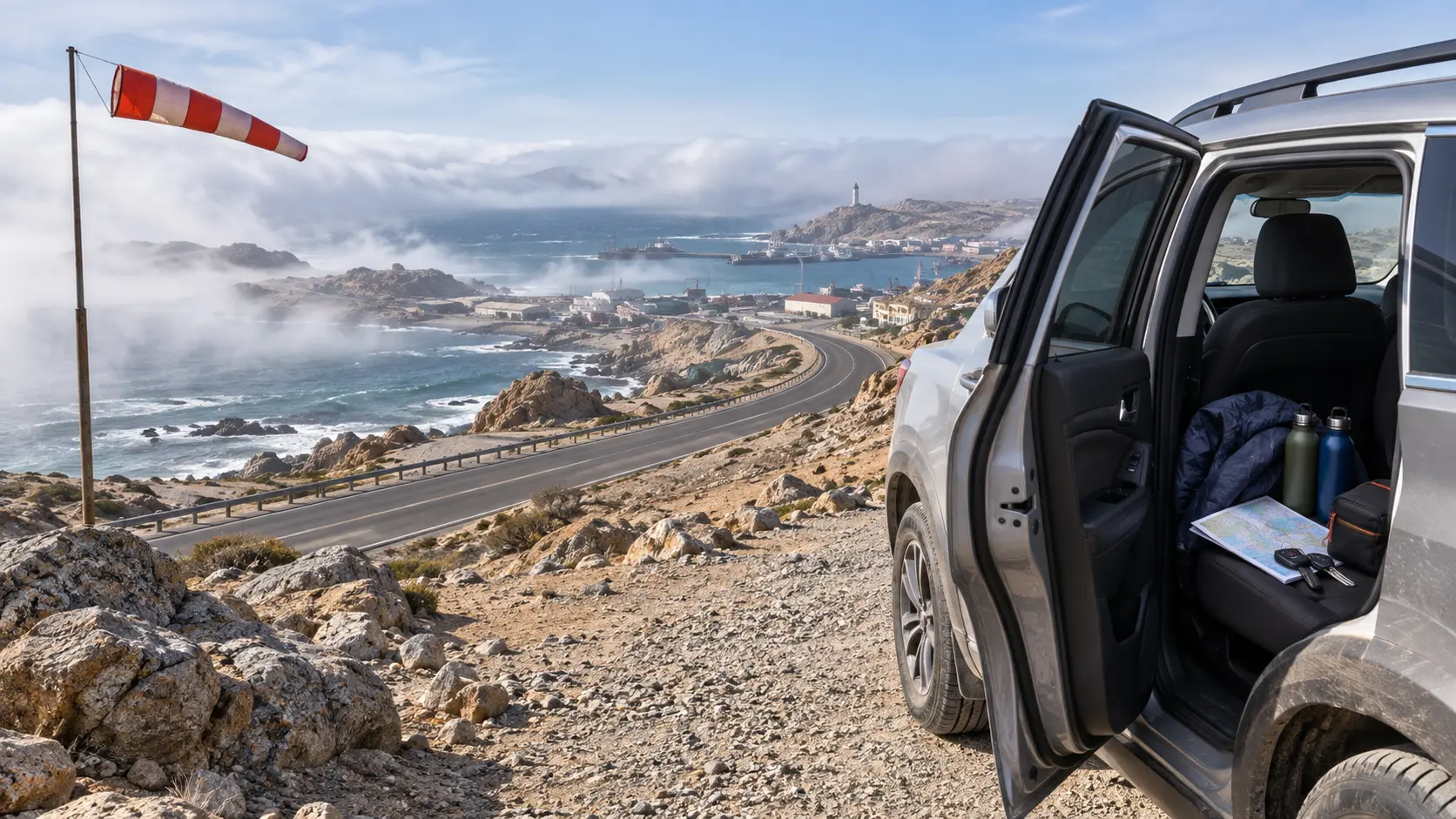
- Southern Namibia needs buffers. Distances, gravel roads, fuel, border links, accommodation spacing and low-connectivity sections should be planned before departure.
- Transport providers should reduce uncertainty. Ask about vehicle, pickup, route, water, stops, late-arrival policy, luggage and current road assumptions.
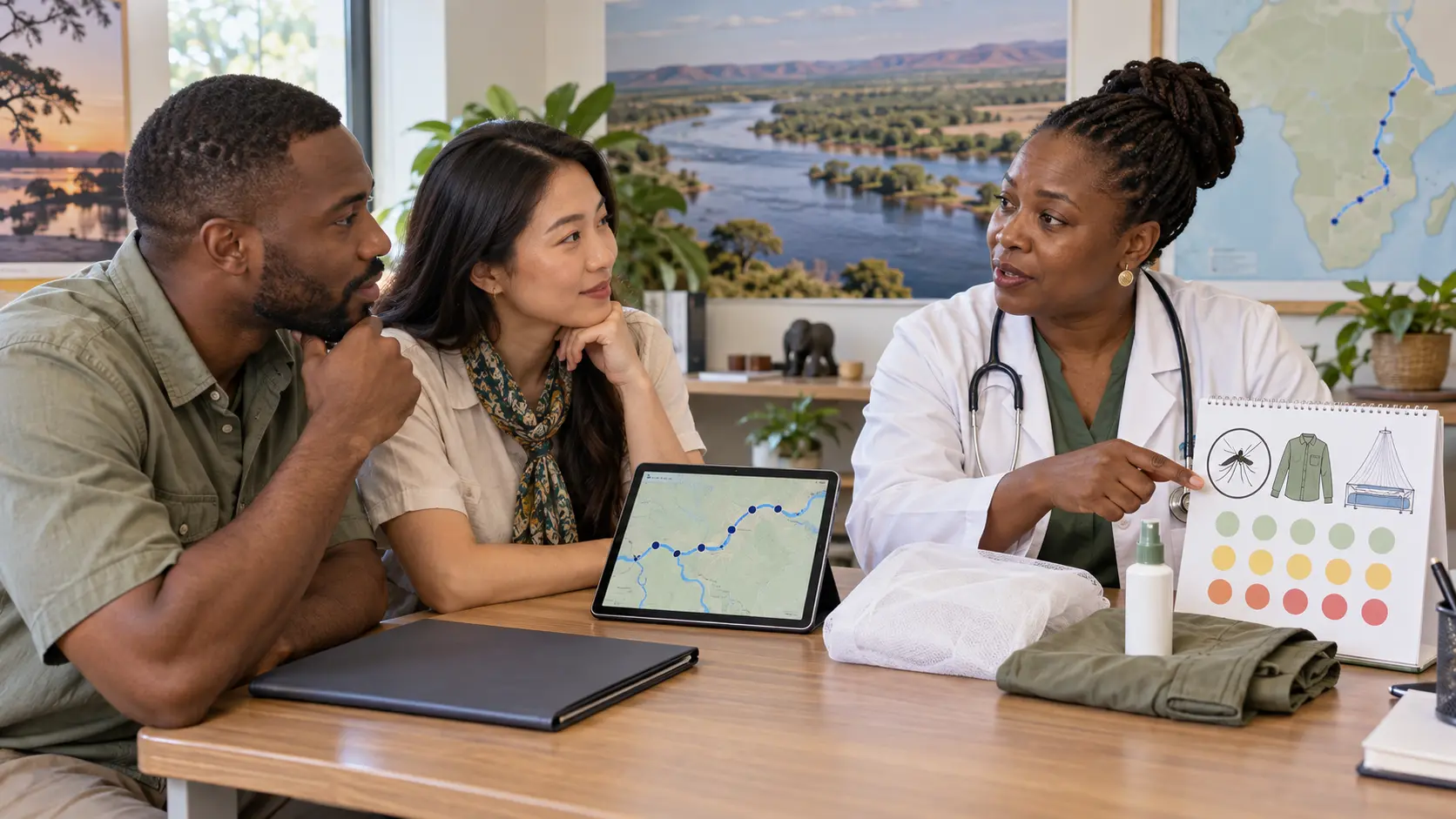
- Use Ayivoo to compare logistics support. Start with Fish River Canyon providers and transportation services, then connect them with accommodation and activity choices.
Why Fish River Canyon safety is a logistics question
Fish River Canyon looks like a single destination on a map, but the safety work starts long before travellers reach the rim. It starts with the previous overnight stop, the fuel plan, the heat forecast, the group's walking ability, the current hiking season, the vehicle, the next destination and the time of day travellers expect to arrive.
For most visitors, the canyon is not unsafe when planned realistically. Viewpoints, lodge stays and southern-route stops can be calm and memorable. The problems appear when travellers compress too much into one day, drive tired, underestimate heat, ignore water, assume mobile coverage, or book a hike without current permit and safety confirmation.
A safe canyon plan is one that leaves room for slow travel. It does not depend on perfect roads, perfect timing or old information.
Fish River Canyon risk map
| Risk area | What can go wrong | Practical control |
|---|---|---|
| Heat and exposure | Dehydration, fatigue, sunburn or poor decisions during hot hours | Carry water, plan shade, avoid overexertion and time visits sensibly |
| Road distance | Late arrival, tired driving or rushing the canyon stop | Build buffers and avoid judging the day by kilometres alone |
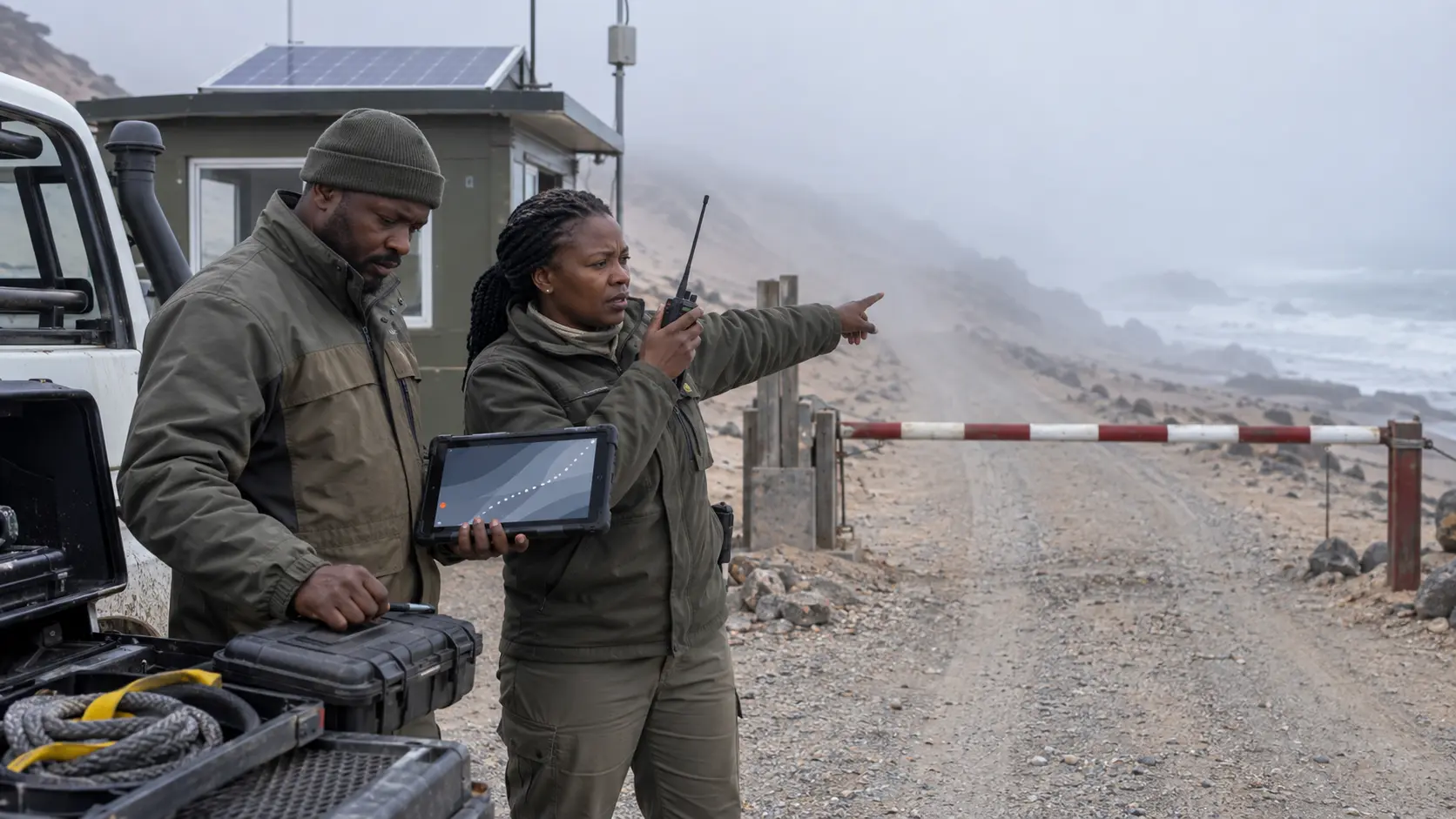
| Hiking rules | Assuming the trail is open or underestimating permit and fitness requirements | Verify current NWR status, permits and conditions before booking |
| Connectivity | No signal when directions, contacts or confirmations are needed | Save maps, bookings and phone numbers offline |
| Payment and access | Unclear fees, cash/card assumptions or missing documents | Confirm inclusions, payment methods and access details before departure |
Safety for viewpoint visitors
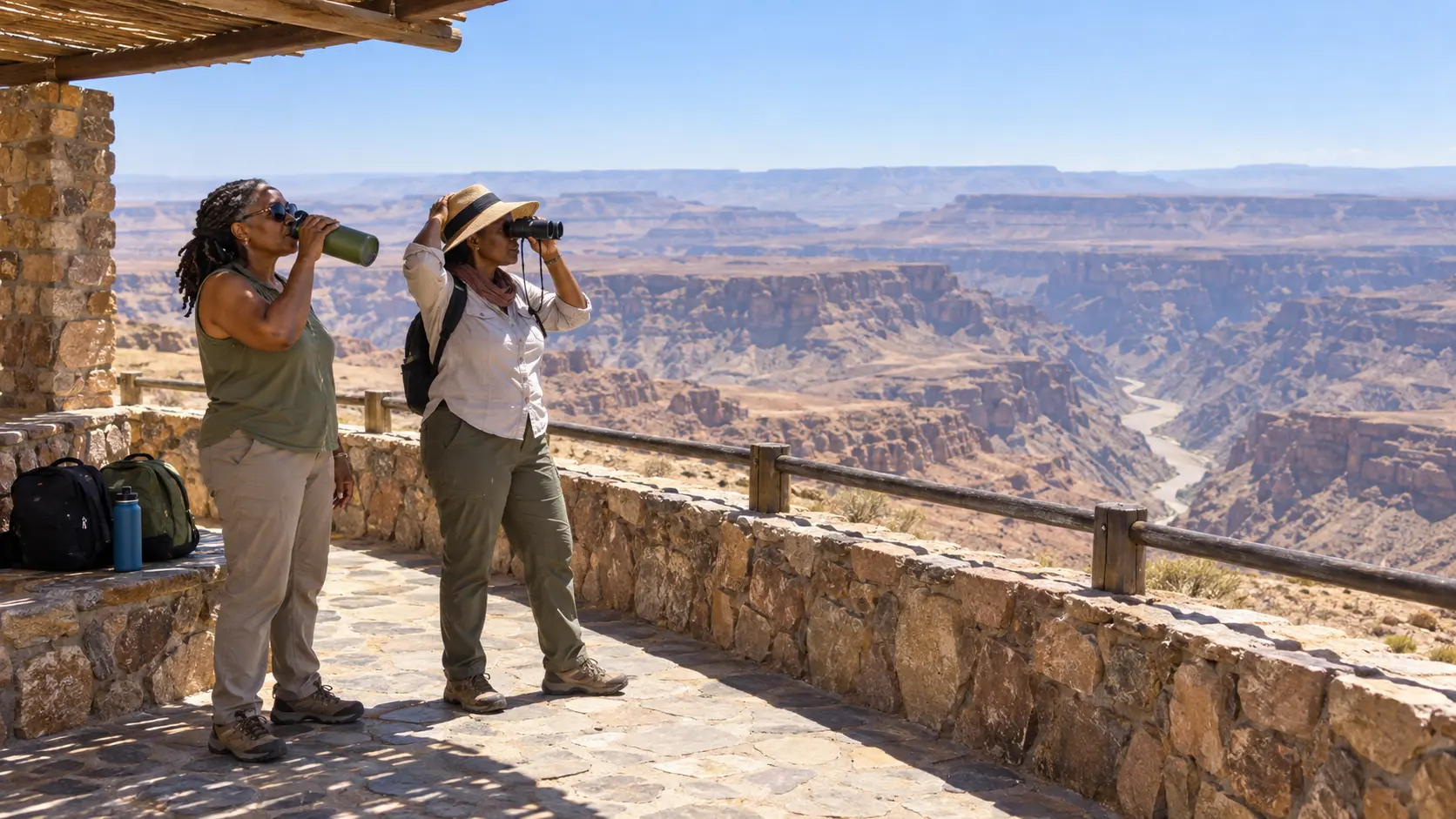
Many travellers will experience Fish River Canyon from viewpoints rather than by hiking inside it. That is a valid and often sensible first-trip choice. The safety priorities are simple: arrive with daylight, carry water, use sun protection, stay on permitted paths and viewpoints, supervise children closely and do not turn photos into risky cliff-edge behaviour.
Viewpoint visitors should also plan the drive after the viewpoint. The canyon is often part of a longer southern route, so the group should know where it sleeps, how long the next section takes and whether dinner, fuel or check-in depend on arrival time.
If using a local provider, ask how long travellers actually spend at the viewpoint and how much of the day is transport. A provider who explains this clearly is already reducing risk.
Safety for the multi-day hike
The Fish River Canyon hike is a different category of travel from a viewpoint visit. NWR has published hiking-season updates, and public information commonly treats the hike as seasonal, permit-dependent and physically demanding. Current access can be affected by water levels, safety reviews and operational decisions.
Before planning the hike, travellers should verify:
- current official opening dates and any recent NWR updates;
- permit process, group requirements and health or fitness documentation;
- start and finish logistics, including transport and accommodation before and after;
- food, water, equipment, emergency and evacuation responsibilities;
- weather and water-level guidance for the intended dates;
- cancellation options if the trail is closed or conditions change.
Do not rely on an old blog post or a provider's casual reassurance. Hike-specific facts should be refreshed close to publication and close to travel.
Transport checks before booking
Use Ayivoo transportation services when the main risk is movement: airport link, lodge transfer, southern route, border connection or non-self-drive itinerary. Ask transport providers:
- What vehicle will be used, and is it suitable for the route?
- Where exactly is pickup, and how will travellers identify the driver?
- How much luggage can be carried safely?
- What is the realistic drive time, including breaks?
- Are fuel, waiting time, detours, canyon access and driver meals included?
- Can the route include water, snack, cash or fuel stops?
- What happens if the previous leg runs late?
- What phone number works on the travel day?
For self-drivers, the equivalent questions apply to the rental vehicle, route and accommodation advice.
Water, food and heat discipline
Fish River Canyon planning should treat water as essential, not optional. Travellers should carry more than they expect to need, especially if driving remote sections, visiting viewpoints during warmer hours or preparing for any walking. Food planning matters too: tired and hungry travellers make poor route decisions.
Before leaving the previous base, check:
- drinking water for the whole group plus delay buffer;
- sun protection, hat, sunglasses and suitable footwear;
- snacks or packed meals if restaurant timing is uncertain;
- vehicle fuel and tyre condition;
- offline directions and next accommodation contact;
- cash or card expectations for fees, meals and fuel.
Safer route shapes
| Route shape | Why it is safer | What to avoid |
|---|---|---|
| Arrive, overnight, viewpoint next morning | Reduces fatigue and improves light | Adding too many stops before arrival |
| Viewpoint, hot springs, short onward drive | Balances canyon time with rest | Assuming facilities without checking current operations |
| Southern Namibia transfer with canyon stop | Works when a provider manages timing and pickup | Treating it like a short city transfer |
| Hike with buffer nights before and after | Gives room for preparation, permits and recovery | Flying or driving away immediately after a demanding route |
Red flags in a Fish River Canyon safety plan
- The route depends on late-night driving or exact timing with no buffer.
- Hike details are based on old information or vague seasonal assumptions.
- The provider cannot explain water, heat, pickup, fees or delay handling.
- The itinerary treats the viewpoint and the multi-day hike as if they require the same preparation.
- Travellers have no offline maps, confirmations or emergency contacts.
- Accommodation, meals or next-day transport are not confirmed.
- Children or older travellers are included without adjusting heat and walking expectations.
FAQ about Fish River Canyon safety and logistics
Is Fish River Canyon safe to visit?
It can be safe with realistic planning, water, sun protection, route buffers and current official information. The multi-day hike requires a higher level of preparation than a viewpoint visit.
Is the canyon hike always open?
No. Travellers should verify the current NWR season, permit rules and safety updates before planning around the hike.
Should travellers use a transport provider?
Use a transport provider if the southern route feels long, the group is not self-driving, or timing between destinations is tight. Compare providers by clarity, not only price.
How much water should travellers carry?
Enough for the group plus a delay buffer. Exact needs depend on weather, activity, vehicle, group size and route, so travellers should ask providers and accommodation for current advice.
Sources to verify before publication
- Namibia Wildlife Resorts: /Ai-/Ais Richtersveld Transfrontier Park for park and canyon context.
- NWR Fish River Canyon hiking season update and current NWR booking notices for trail access, water levels and safety changes.
- Namibia Wildlife Resorts: Ai-Ais Hotspring and Spa for current resort and accommodation context.
- U.S. State Department Namibia advisory, Government of Canada Namibia travel advice and UK FCDO Namibia safety advice for current road and traveller-safety guidance.
- Ayivoo live listings for Fish River Canyon transport, guide and accommodation availability before publication.
Next step on Ayivoo
Search Fish River Canyon on Ayivoo and compare local support by safety clarity first: route, timing, water, heat, vehicle, fees, permits and fallback plan. The best provider removes uncertainty before travellers reach the southern road.