What to remember before driving or booking the Skeleton Coast
- The Skeleton Coast rewards preparation. The avoidable risks are usually practical: wrong route assumptions, weak fuel planning, poor water discipline, unclear permits and no fallback for fog or access changes.
- Do not treat every section the same. A short southern excursion and a remote park route have very different safety and logistics requirements.
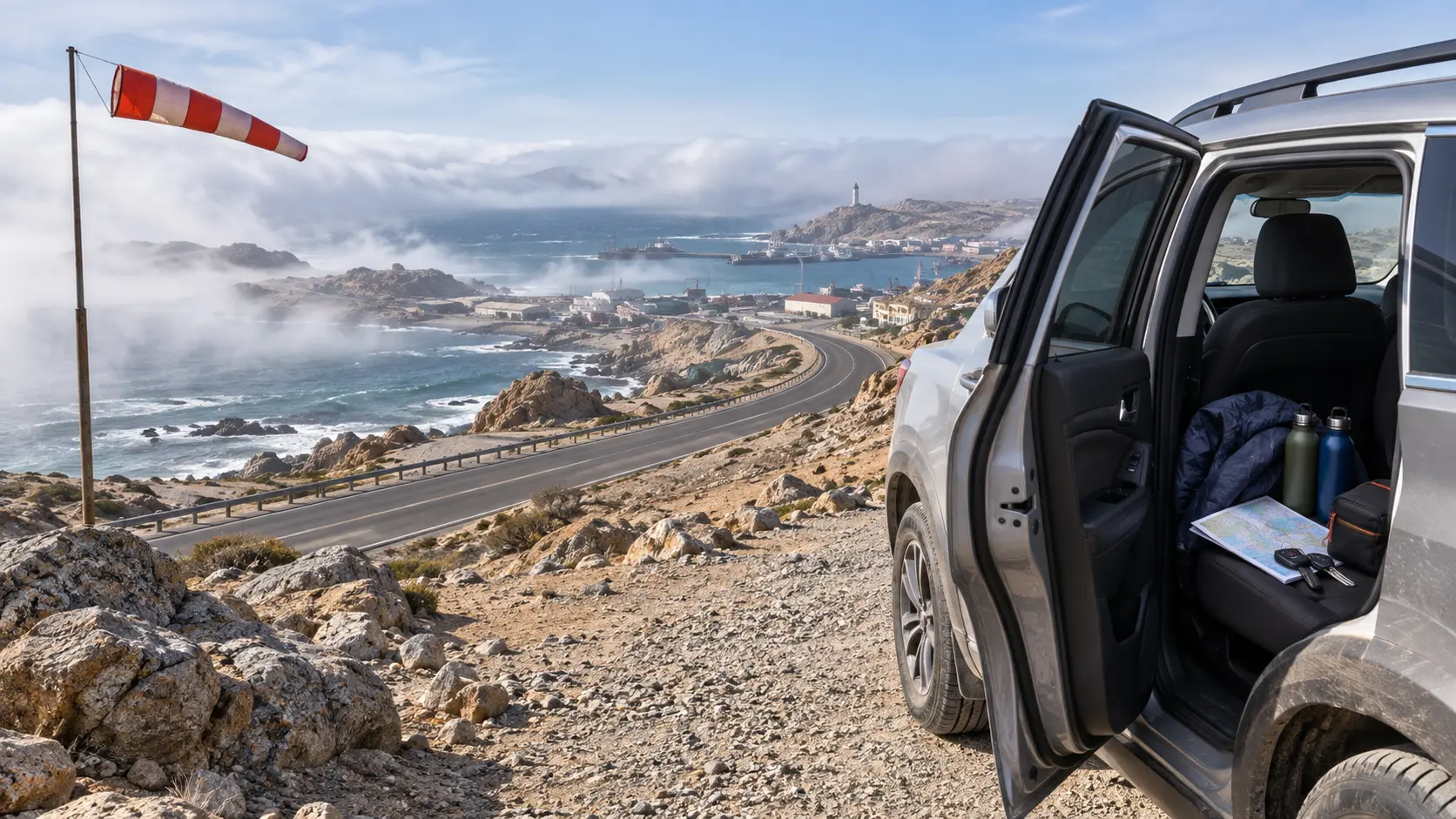
- Weather is part of the route. Fog, wind, cool air and low visibility can affect timing, comfort, photography, driving and route confidence.
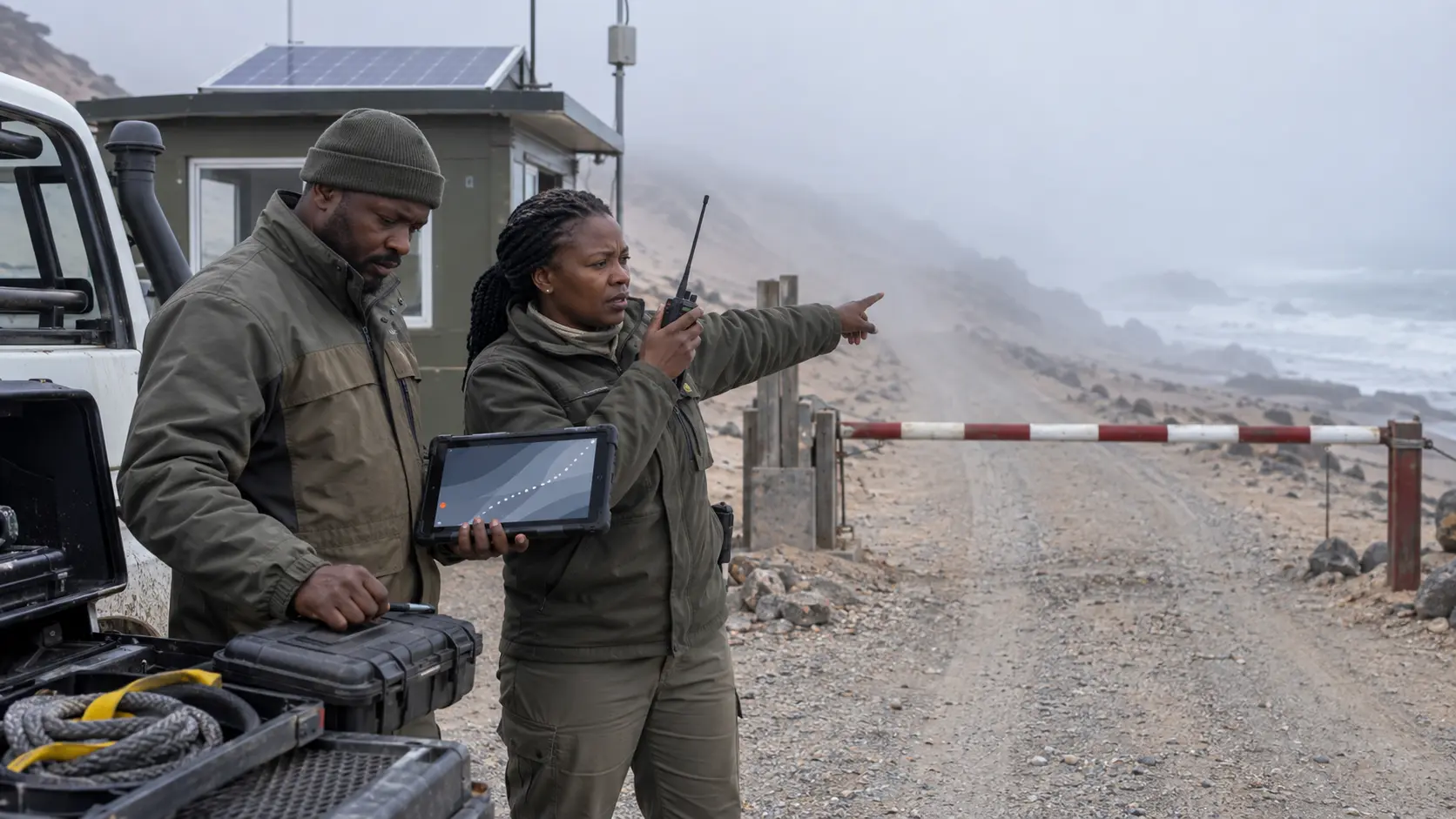
- Access should be verified before departure. Gates, permits, accommodation, camping, fishing rules and concessions can change and should be checked with official or provider sources.
- Use Ayivoo to compare support, not slogans. Search Skeleton Coast providers and transportation services for clear route, vehicle and access answers.
Why Skeleton Coast safety is mostly logistics
The Skeleton Coast can feel intimidating because of its name, shipwreck stories and empty landscapes. In practice, the safety question is usually less dramatic: does the traveller know which route is permitted, where the next overnight stop is, whether the vehicle is suitable, how much water and fuel are available, and what happens when fog changes visibility?
For prepared travellers, a Skeleton Coast route can be calm, spacious and unforgettable. For improvised travellers, the same route can become stressful quickly. The coast gives fewer easy second chances than a city or dense tourism corridor. That is why conservative planning is not nervousness; it is what allows the landscape to feel enjoyable rather than exposed.
The safest plan is the one that defines the section, confirms access, keeps the route shorter than the maximum possible day and protects the next overnight stop.
Skeleton Coast risk map
| Risk area | What can go wrong | Practical control |
|---|---|---|
| Access and permits | Travellers assume a route, gate, camping area or concession is open | Verify current official and provider information before booking and before departure |
| Fuel and vehicle | Long distances, rough roads or remote sections exceed the vehicle plan | Confirm fuel range, spare tyre, vehicle suitability and recovery process |
| Fog and wind | Low visibility, cold exposure and slower progress change the day | Carry layers, build time buffers and ask providers how weather alters the route |
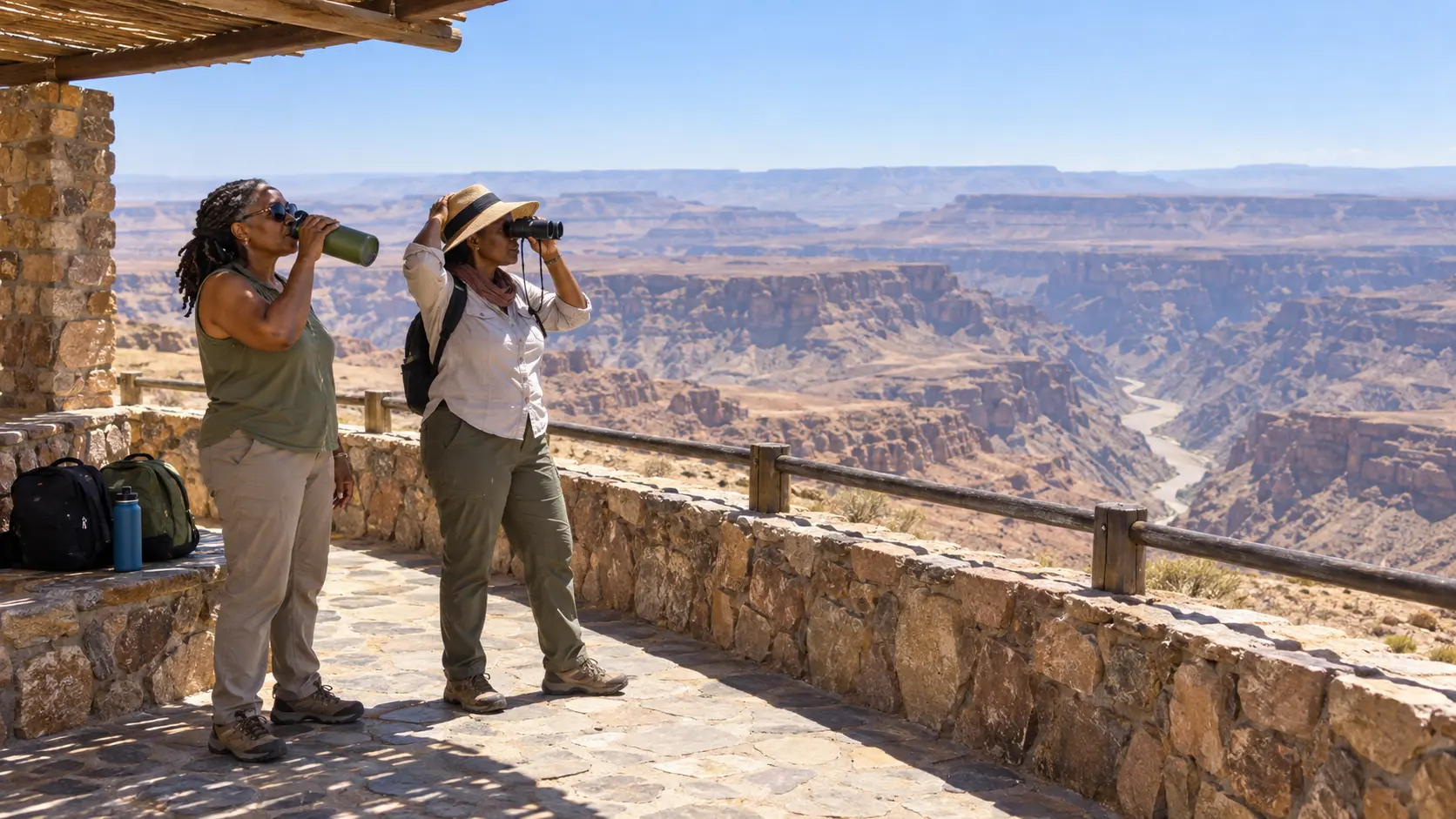
| Water and food | Remote-route discomfort or fatigue grows because basics were underpacked | Carry water and snacks for delays, not only for the planned day |
| Communication | No signal when bookings, gate details or route decisions are needed | Save confirmations, maps, contacts and next-stop details offline |
Before departure: the non-negotiable checks
Whether the route is self-drive, guided or transfer-supported, travellers should complete the basic checks before leaving the previous base.
- Confirm the exact route section and whether it is permitted for the chosen travel style.
- Confirm overnight accommodation, camping or return point.
- Check fuel, tyre condition, spare tyre, jack and rental-car support terms.
- Carry drinking water, food, layers, sun protection and a delay buffer.
- Save route maps, booking confirmations and provider contacts offline.
- Verify payment methods, park fees, permits and gate rules.
- Tell the next provider or accommodation if timing changes before signal disappears.
Questions for transport and route providers
Use Ayivoo transportation services when travellers need transfers, vehicle-supported excursions or long route links. A remote-coast transport provider should be able to explain:
- Which Skeleton Coast section is covered?
- What vehicle is used, and what backup or recovery process exists?
- Are permits, park fees, concession access, accommodation and meals included?
- How much water is carried, and what should travellers bring themselves?
- What communication method is used where mobile coverage is weak?
- How do fog, wind or poor road conditions change the plan?
- Where does the route connect next, and what happens if the group runs late?
- What cancellation terms apply if access or weather changes?
If the provider answers only with scenery and excitement, keep asking. Logistics are not a boring extra on the Skeleton Coast; they are the product.
Self-drive boundaries
Self-driving can be appropriate for some Skeleton Coast sections, especially when the route is short, legal, well understood and connected to a clear next base. It becomes less suitable when the route is remote, access is uncertain, the vehicle is marginal, the group is inexperienced, or the itinerary depends on perfect timing.
Self-drivers should be especially careful with:
- assuming old gate or permit information is still valid;
- underestimating fog and low visibility;
- driving long remote sections late in the day;
- leaving the next accommodation or fuel stop vague;
- treating beach, salt, sand or track conditions casually;
- depending on mobile data for route decisions.
When a route feels like it needs luck, shorten it or book local support.
Weather, layers and comfort
The Skeleton Coast can feel cold, damp and windy compared with inland Namibia. Travellers should carry layers, wind protection and camera protection even if the rest of the itinerary is hot. Fog may be atmospheric for photography but slower for driving and less comfortable for families.
For families and mixed groups, comfort is part of safety. A cold, hungry, bored or tired group makes weaker decisions. Shorter stops, clear expectations and warm clothing can matter as much as the route itself.
Safer route shapes
| Route shape | Why it is safer | What to avoid |
|---|---|---|
| Southern coastal day from Swakopmund | Shorter, easier to reverse and simpler for first-time visitors | Overselling it as a deep remote route |
| Guided coast and Damaraland link | Provider handles route judgement and interpretation | Vague responsibility for permits, meals or next accommodation |
| Park overnight with confirmed booking | Gives more coast time without rushing return | Assuming NWR or campsite availability without confirmation |
| Fly-in remote lodge stay | Reduces self-drive risk and adds local interpretation | Ignoring weather, baggage, cancellation and transfer terms |
Red flags in a Skeleton Coast safety plan
- The route section is not clearly named.
- Access, permits, gates or accommodation are assumed rather than confirmed.
- The provider cannot explain fuel, water, vehicle or communication plans.
- The route depends on a long remote drive with no daylight buffer.
- Weather is treated as irrelevant.
- The next overnight stop is vague.
- Travellers are told to rely on mobile data for remote route decisions.
FAQ about Skeleton Coast safety and logistics
Is the Skeleton Coast safe for travellers?
It can be safe with realistic route planning, current access checks, suitable vehicles, water, fuel, layers and communication. The deeper or more remote the route, the more local support matters.
Do travellers need permits?
Some areas, activities or overnight arrangements may require permits, bookings or concession access. Verify current official and provider information before travel.
Is fog dangerous?
Fog is part of the coastal environment. It can reduce visibility, slow driving and change comfort. Travellers should build buffers and avoid relying on perfect conditions.
Is the Skeleton Coast good for families?
A shorter, well-defined coastal section can work. Long remote routes may be cold, windy and monotonous for children unless the family is experienced and well prepared.
Sources to verify before publication
- Namibia Ministry of Environment, Forestry and Tourism for current conservation, park and access context.
- Namibia Wildlife Resorts for current Terrace Bay, Torra Bay, accommodation and booking information where relevant.
- Current Namibia tourism-board destination information for Skeleton Coast routes, gates, seal colonies, accommodation and coastal travel conditions.
- U.S. State Department Namibia advisory, Government of Canada Namibia travel advice and UK FCDO Namibia safety advice for current road and traveller-safety guidance.
- Ayivoo live listings for Skeleton Coast transport, guide and accommodation availability before publication.
Next step on Ayivoo
Search Skeleton Coast on Ayivoo and compare providers by logistics first: access, route section, vehicle, water, permits, weather, communication and next overnight. The safest option is the one that makes remote details explicit.