What to remember when deciding where to stay, eat and move around Etosha
- Your base shapes the wildlife day. In Etosha, accommodation is not only a place to sleep; it determines gate timing, waterhole access, meal planning, rest breaks and how much driving the group can enjoy.
- Food and movement are part of the same plan. A long game-viewing day is easier when breakfast, packed snacks, water, fuel, lunch stops and dinner are already understood.
- Inside and outside the park can both work. Staying inside may improve early and late wildlife time, while staying outside may suit comfort, price, route direction or availability.
- Do not turn Etosha into a commute. If the lodging choice forces repeated long drives just to reach the intended waterholes, the itinerary is probably working too hard.
- Use Ayivoo to connect accommodation, food and transport. Compare Etosha providers, lodges and camps, restaurants and cafés, and transportation services before confirming dates.
Why base choice matters more in Etosha than travellers expect
Etosha is large, open and rhythm-driven. A good wildlife day often starts early, slows down at waterholes, pauses during hotter hours, and becomes interesting again toward late afternoon. That rhythm is much easier when the chosen base supports it. A badly placed base can turn the day into a sequence of transfers rather than observation.
Many travellers first compare accommodation by price, comfort or photos. Those matter, but Etosha adds another layer: what does this base make possible? Does it help with a chosen gate? Does it reduce backtracking? Does it make meals simple? Does it let the group rest between drives? Does it fit the next destination after Etosha?
For first-time visitors, the best Etosha stay is the one that reduces decisions during the day. Wildlife viewing already requires patience. Accommodation should make that patience easier.
Inside the park or outside the park?
Inside-park accommodation can make early and late wildlife viewing easier because travellers are already positioned within the protected area. Namibia Wildlife Resorts lists several Etosha options, including Okaukuejo, Halali, Namutoni, Dolomite, Olifantsrus and Onkoshi. Travellers should verify current operations, rates, availability, meal arrangements and rules before booking.
Outside-park lodges and camps can be excellent choices too. They may offer different service levels, guiding options, meal plans, room types or route access. The trade-off is gate timing: travellers need to understand how long it takes to enter the park, where they will drive once inside, and when they must return.
| Choice | Strength | Watchpoint |
|---|---|---|
| Inside park camp or resort | Better positioned for early and late wildlife time | Availability, meal options and camp-to-camp distances must be checked early |
| Outside gate lodge | Can offer comfort, service variety and strong guided options | Gate timing and daily driving distance must stay realistic |
| One-night transit stay | Works for short routes or positioning between regions | Expectations should be modest; wildlife time will be limited |
| Multi-base Etosha stay | Lets travellers experience different park areas | Changing bases should add value, not just packing and driving time |
Where and how to eat around Etosha
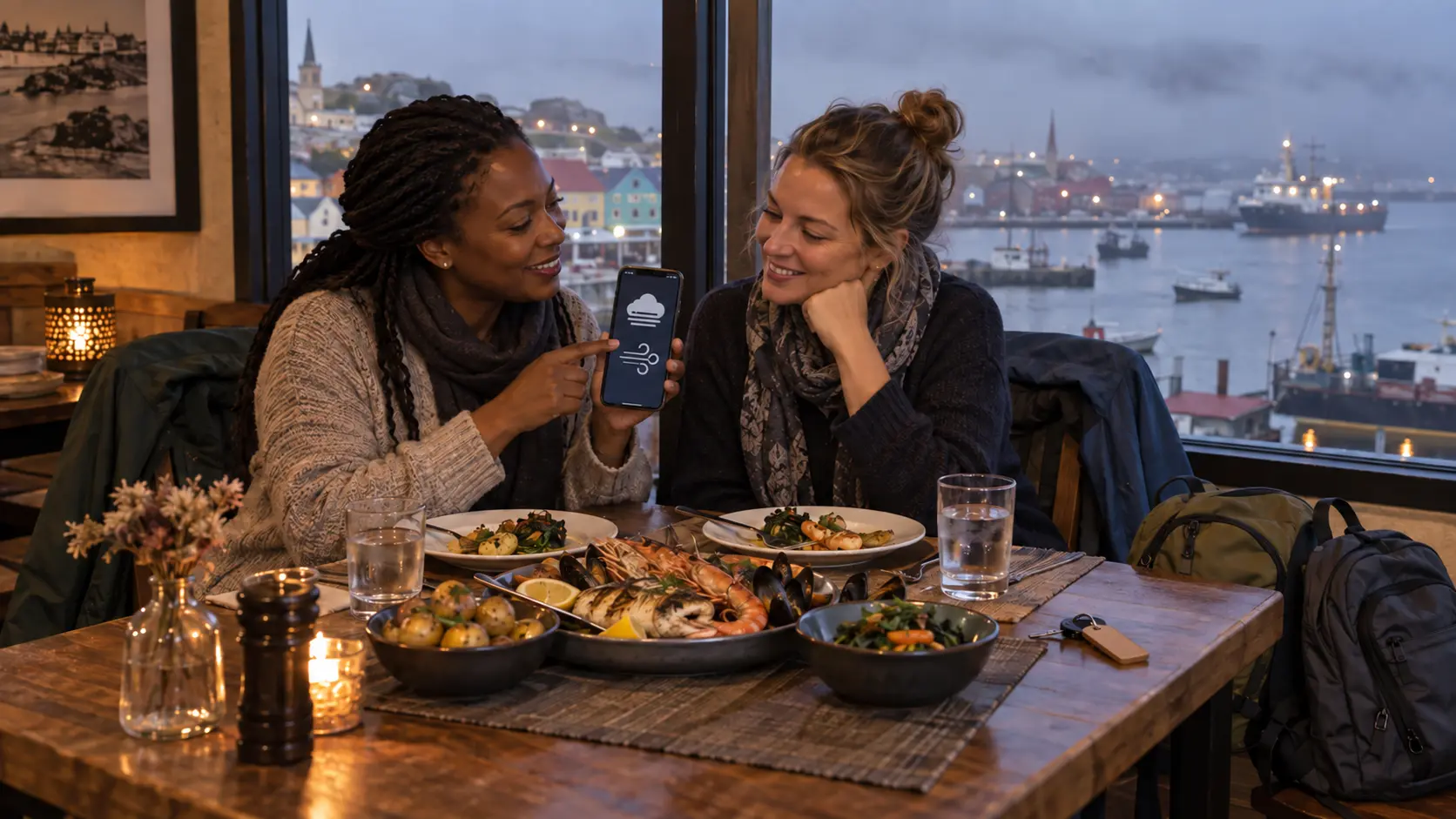
Food planning in Etosha is practical, not decorative. Travellers may eat at camps, lodges, restaurants near gates, picnic areas where permitted, or from packed supplies. The correct plan depends on the base, route, drive length and group needs.
Before booking accommodation, ask:
- Is breakfast included or available early enough for the planned drive?
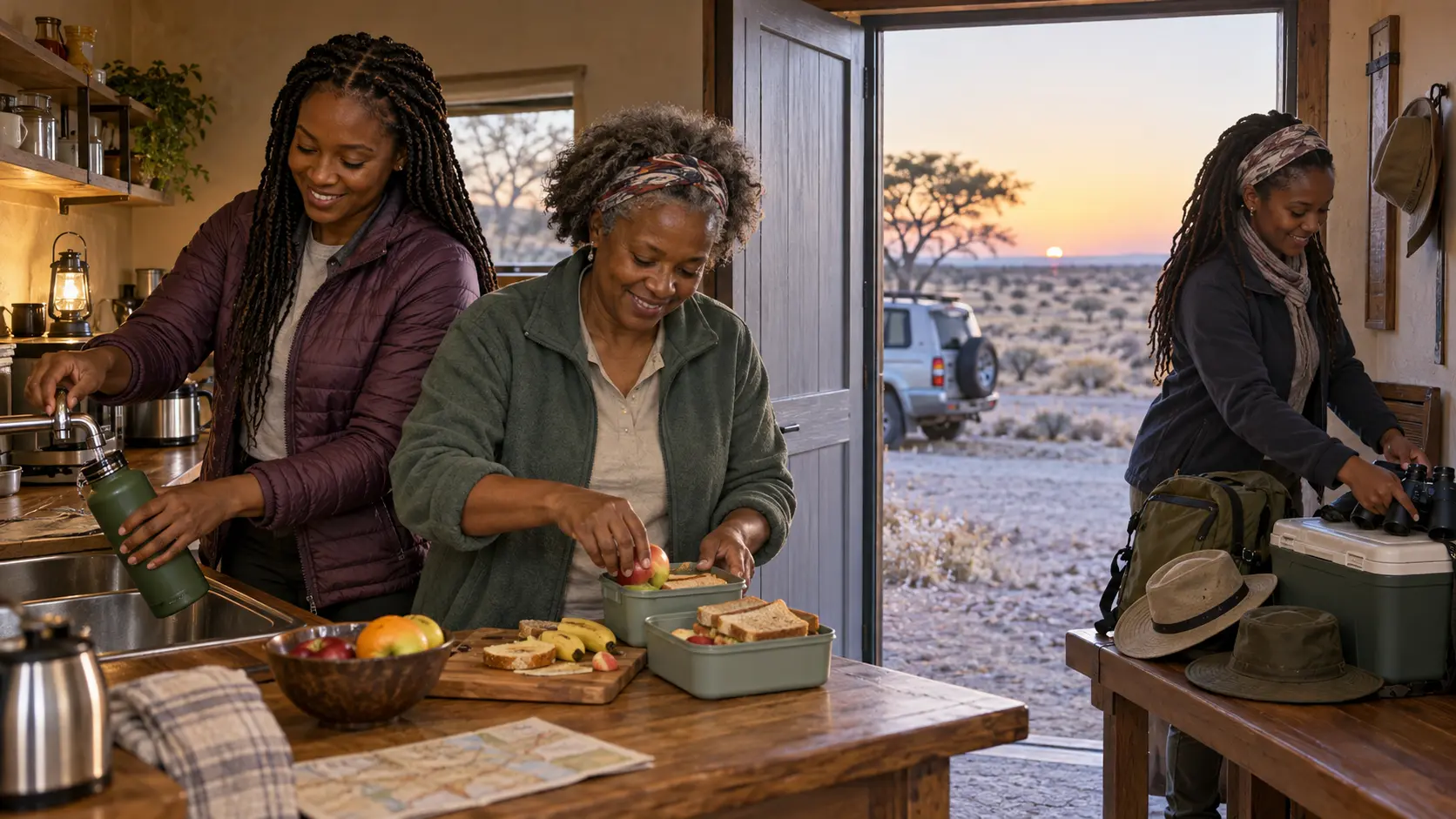
- Can the property provide packed meals or advice for long wildlife days?
- Is dinner served at fixed times, and what happens after a late arrival?
- Are children, dietary needs or allergies manageable?
- Where can travellers buy water, snacks, fuel or basic supplies before entering?
Use Ayivoo restaurant and café listings for stops before or after the park route, and use accommodation providers for the most current meal options around the chosen base. Do not assume that a restaurant, shop or kitchen will solve every missed planning detail at the last minute.
Moving around Etosha without wasting the day
Etosha movement should be slow and deliberate. The point is not to cover the largest possible map area; it is to spend meaningful time in places where wildlife viewing is plausible and legal. Travellers should stay on official roads, respect speed limits and follow all park instructions.
A useful daily movement plan answers four questions:
- Where do we start? The base determines which waterholes or routes make sense first.
- Where do we pause? Heat, fatigue, children, meals and photography all need breaks.
- Where must we end? Camp, gate and sunset timing constrain the return.
- What do we skip? Trying to do everything can make the day worse.
For travellers who do not want to manage these decisions alone, compare guided Etosha safari providers on Ayivoo. A guide can help decide when to wait, when to move and how to interpret quiet periods.
Base logic by traveller type
| Traveller type | Best base logic | Booking priority |
|---|---|---|
| First-time wildlife travellers | Simple base, easy meals, low decision load and access to classic waterhole time | Clear route advice and realistic drive lengths |
| Families | Comfortable breaks, meal predictability, safe parking and shorter daily loops | Room layout, food timing, child policies and rest periods |
| Photographers | Base that supports early/late light and patient waterhole sessions | Access, vehicle setup, dust, light direction and luggage security |
| Self-drive road-trippers | Base aligned with arrival direction and next destination | Fuel, supplies, gate timing and route continuity |
Supplies, fuel and water
Etosha planning improves when travellers handle essentials before they become urgent. Water, snacks, fuel, medication, camera batteries, sun protection and offline maps should be checked before the wildlife day begins. Some facilities may be available at camps or nearby towns, but travellers should verify current conditions rather than assuming.
For local booking, this means asking providers direct questions. Can the lodge help with packed meals? Is fuel available on the planned route? Does the transfer provider allow a supply stop? Is there secure luggage storage? Can the guide advise what to carry in the vehicle?
Common Etosha stay, food and movement mistakes
- Choosing accommodation without route logic. A lovely room can still be wrong for the intended gate or waterhole strategy.
- Underplanning meals. Hungry travellers make rushed wildlife decisions and poor route decisions.
- Moving constantly. Etosha often rewards waiting; a packed driving loop can miss the point.
- Ignoring sunset constraints. Park and camp timing should shape the day from the start, not be discovered at the end.
- Forgetting the next destination. The best Etosha base also sets up tomorrow's route.
FAQ about staying, eating and moving around Etosha
Is it better to stay inside Etosha?
Often it helps with early and late wildlife time, but it is not automatically better for every traveller. Availability, budget, comfort, route direction and meal needs all matter.
Can I rely on camp or lodge meals?
Possibly, but verify meal times, inclusions and packed options before booking. Wildlife days start early, and meal timing can affect the whole plan.
Should I change bases inside Etosha?
Changing bases can help travellers see different areas, but it should add real value. If it only creates packing and transit, one well-chosen base may be calmer.
Do I need a guide or transfer?
Self-drive travellers may not need one, but guided or transport support can help with waterhole strategy, route timing, fatigue and interpretation.
Sources to verify before publication
- Namibia Wildlife Resorts: Etosha National Park for listed resorts, camps and drive context.
- NWR rack rates, meal fees and booking notices for current price and meal references.
- NWR park regulations PDF for rules affecting movement, overnighting, vehicles and wildlife behaviour.
- Namibia Ministry of Environment, Forestry and Tourism for official conservation and park updates.
- Ayivoo live listings for Etosha-area accommodation, food, transport and guided providers before publication.
Next step on Ayivoo
Search Etosha on Ayivoo and decide the route in one connected pass: where you sleep, how you eat, how you move, and what tomorrow's drive needs. The best Etosha base makes wildlife time feel spacious, not squeezed.