Why one of Namibia’s most photographed destinations continues to reveal something new with every visit.
Few places change their appearance as quickly as Sossusvlei.
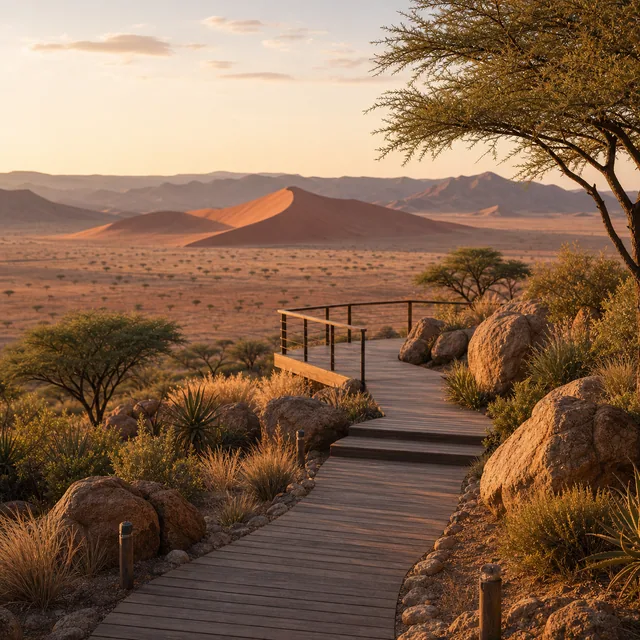
A dune crossed at sunrise can look completely different only an hour later. Shadows move across the sand, colours become deeper, and the shapes created by the wind appear to transform as the sun rises.
This constant change is what makes Sossusvlei different from a simple viewpoint. The landscape is shaped every day by light, wind and the movement of the desert itself.
The Importance of Light in Sossusvlei
Most visitors enter the park early in the morning, and there is a practical reason for this.
The first hours of the day offer cooler temperatures and reveal the strongest contrasts in the dunes. The low angle of the sun highlights the curves, ridges and textures created by the wind.
As the day progresses, the appearance of the landscape changes. The same dune can look sharper, softer or completely different depending on the position of the sun.
For photographers, this creates endless possibilities. For all visitors, it simply changes the way the desert is experienced.
How the Namib Created These Dunes
The dunes of Sossusvlei are the result of a process that has taken millions of years.
The sand travelled through natural systems before being deposited in the Namib Desert, where wind continues to shape it today. The red and orange colours come from iron oxide within the sand, created by a long process of oxidation.
Some dunes in the area reach more than 300 metres in height, making them among the highest sand dunes in the world.
Their impressive size is only part of the story. Their shape and colour are constantly changing with the conditions around them.
Deadvlei: When Nature Preserves Its Own History
Deadvlei is one of the most recognised landscapes in Namibia, but its appearance tells a much older story.
The area was once connected to the Tsauchab River, which allowed camel thorn trees to grow. When the water supply disappeared because of changing environmental conditions, the trees died.
The extreme dryness of the desert prevented them from decomposing, leaving behind dark tree skeletons standing on a white clay surface surrounded by red dunes.
The scene is striking, but it is also a reminder that landscapes are never permanent. They continue to evolve over time.
Beyond the Famous Viewpoints
Sossusvlei is often associated with Deadvlei and the largest dunes, but the surrounding area offers other ways to explore the region.
Dune 45 is one of the most accessible dunes and one of the best-known viewpoints in the park. Big Daddy, one of the highest dunes in the area, offers a different perspective for those willing to climb it.
Nearby, Sesriem Canyon reveals another side of the desert. Formed by water erosion over thousands of years, it shows that this region was shaped not only by wind but also by ancient rivers.
The area also offers exceptional conditions for stargazing, with some of the clearest night skies in the world due to the low level of artificial light.
Planning Your Visit to Sossusvlei
A successful visit depends largely on preparation.
The distance from the park entrance to the main attractions means that timing matters, especially for travellers hoping to experience sunrise or explore several locations in one day.
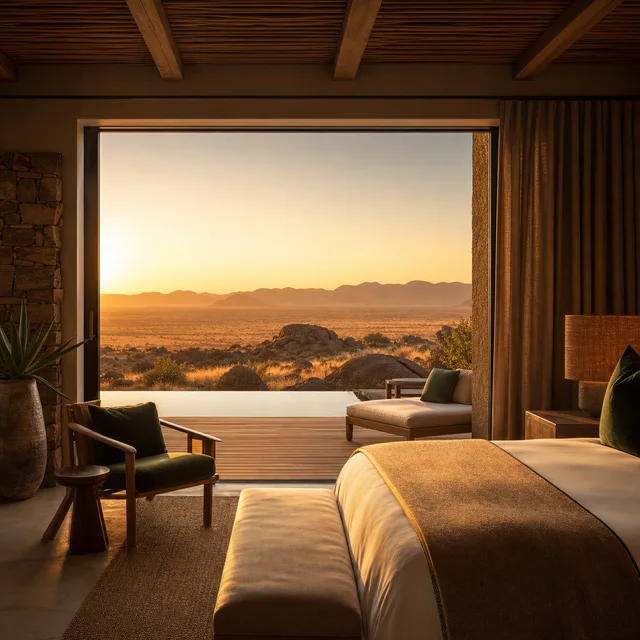
Choosing the right accommodation, transport options, guided activities or additional experiences can make a significant difference.
Discover Sossusvlei with Ayivoo
A journey to Sossusvlei often involves several elements: getting there, choosing where to stay, planning activities and finding experiences that fit the type of trip you want.
Ayivoo helps travellers discover and organise these options through local providers, making it easier to prepare a visit that matches their schedule and interests.
From guided desert experiences to accommodation and local services, Ayivoo connects travellers with the people and businesses that help bring their Namibian journey together.